23/54 Project

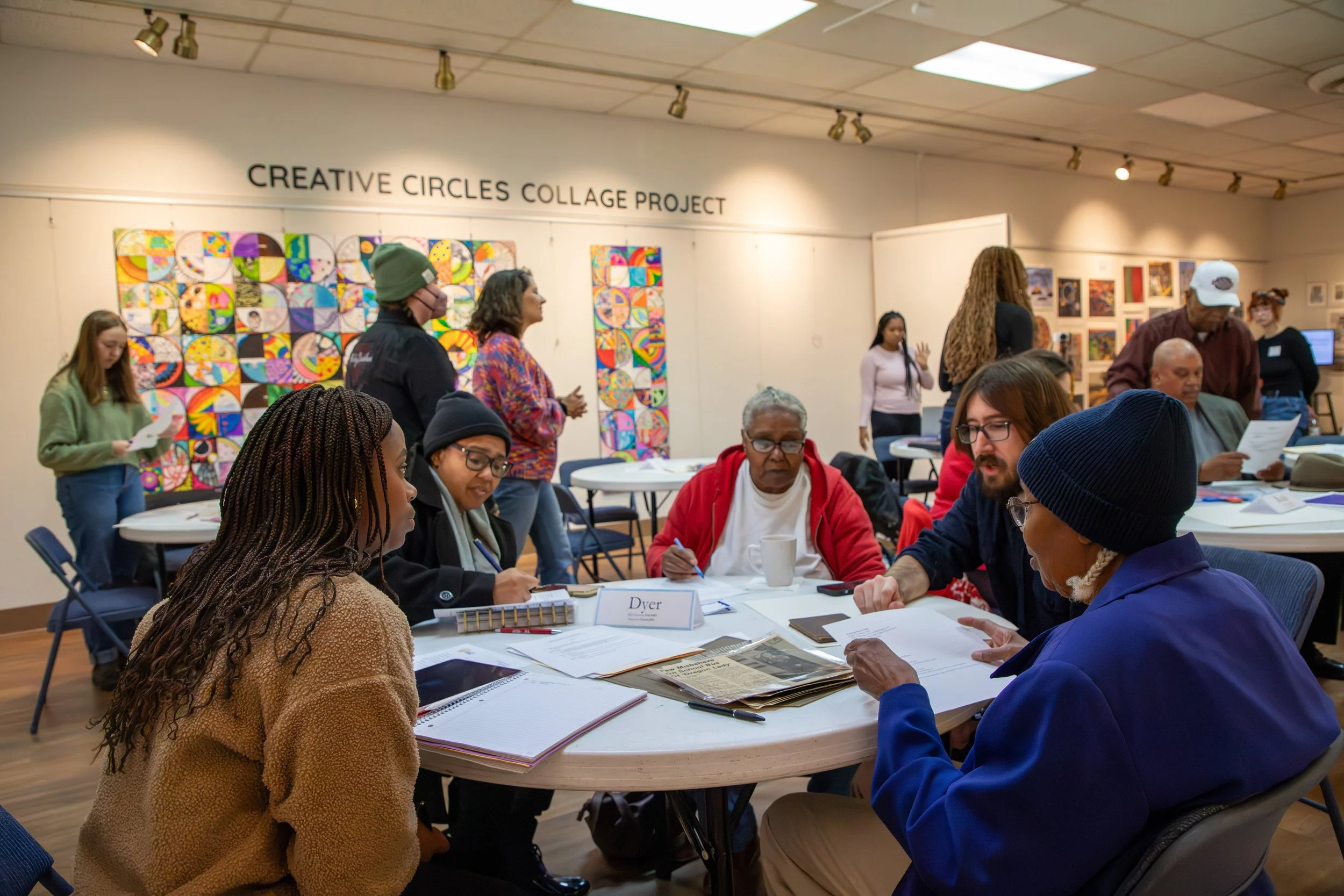
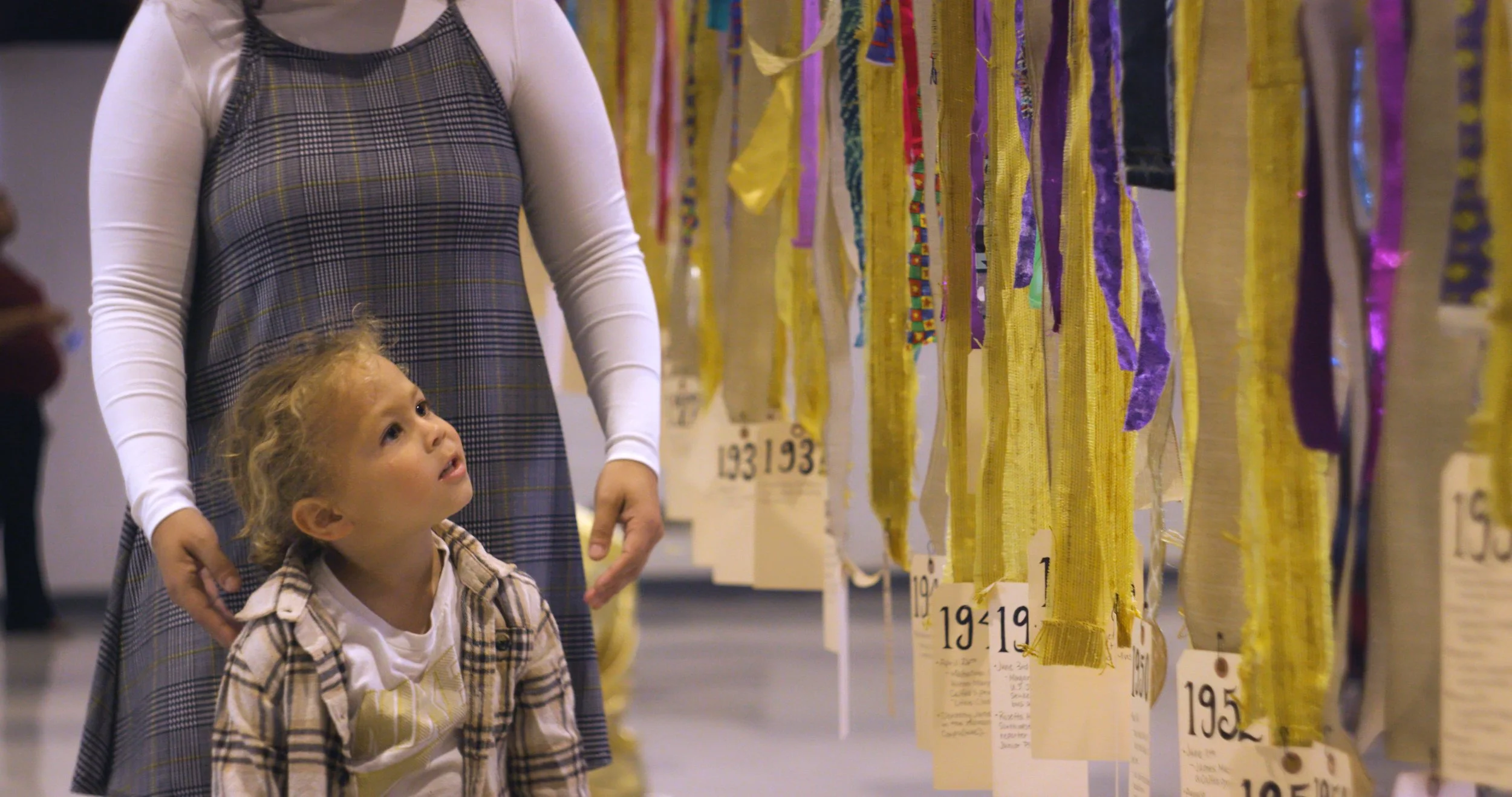
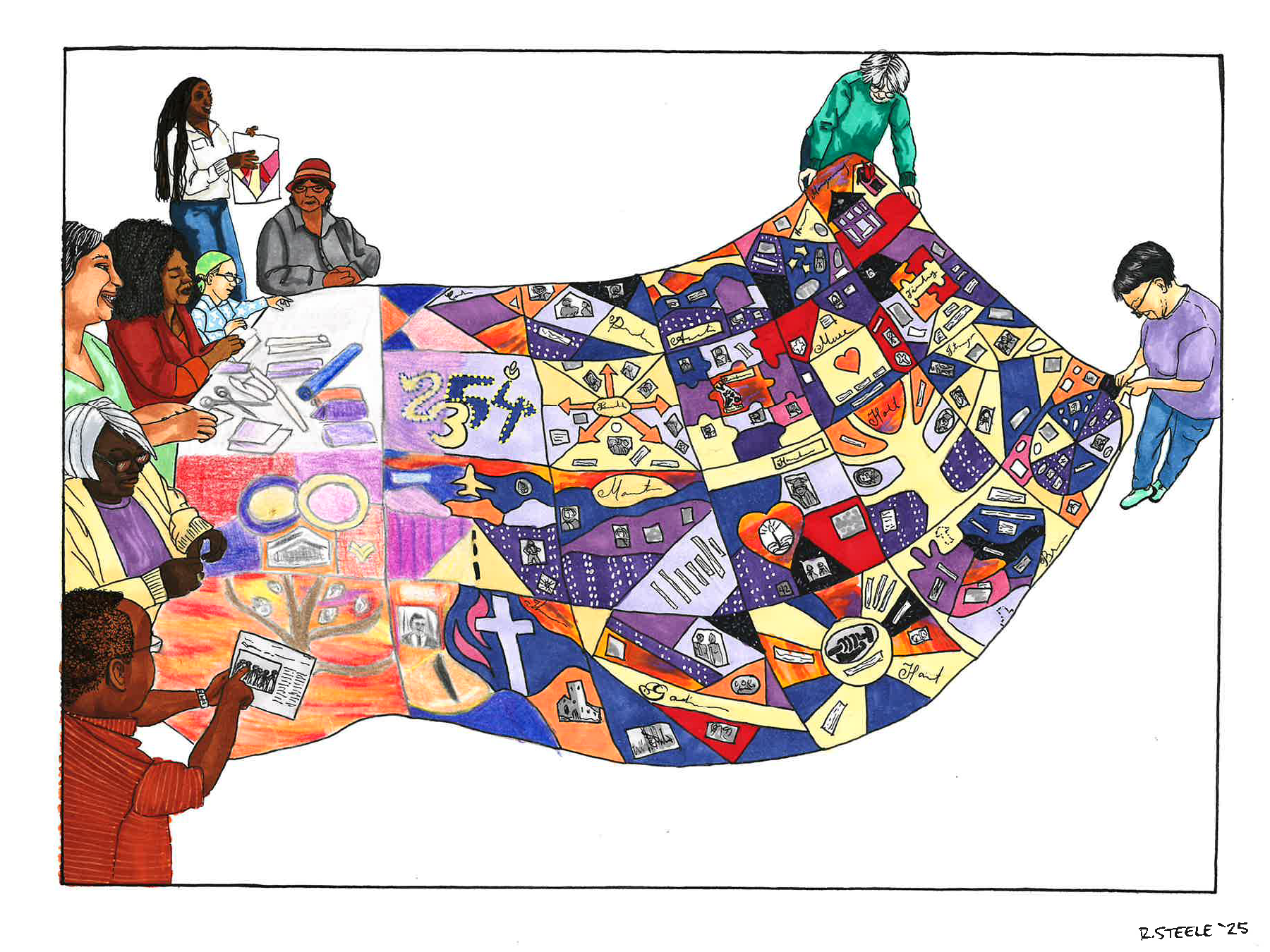
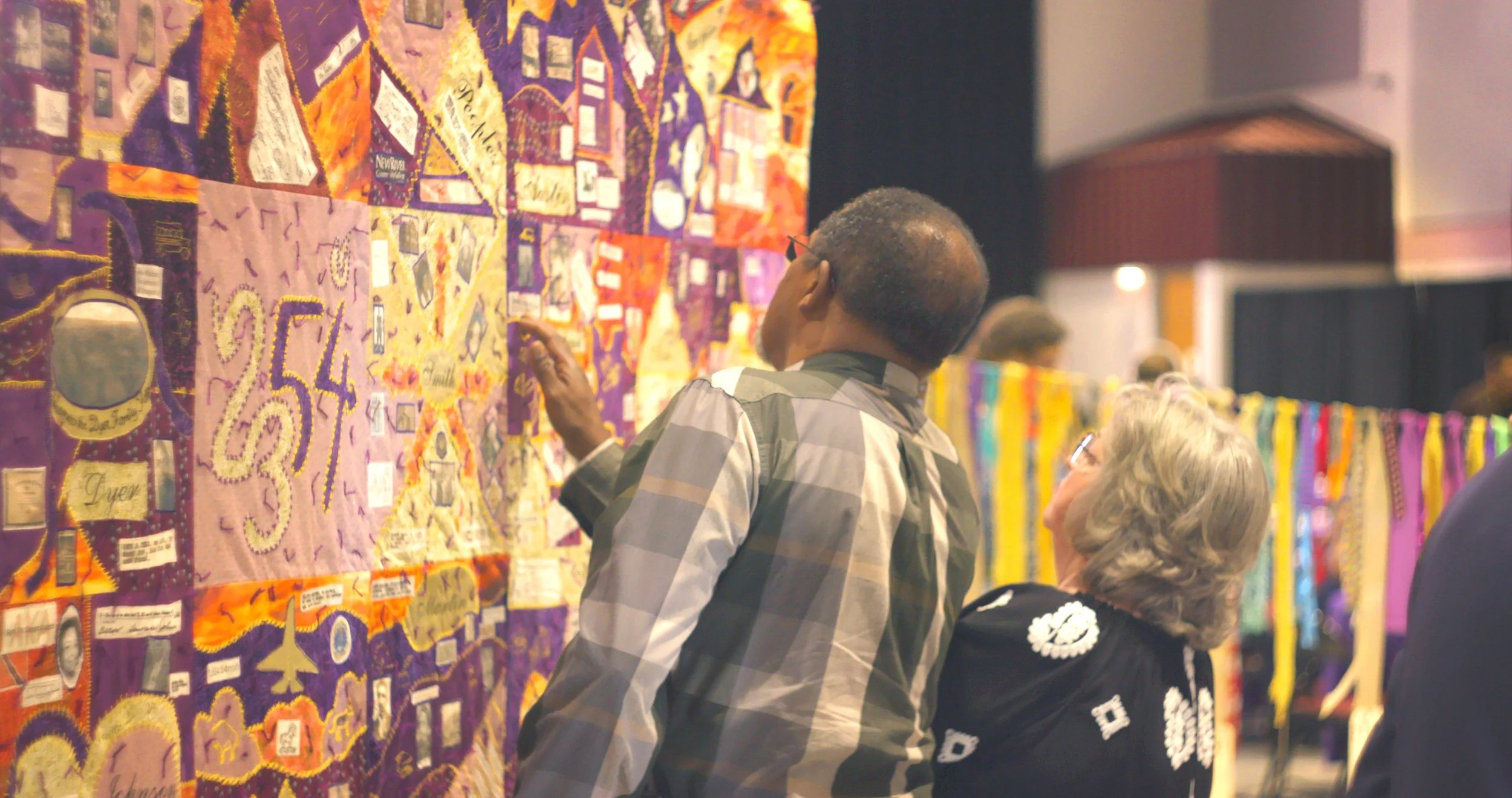
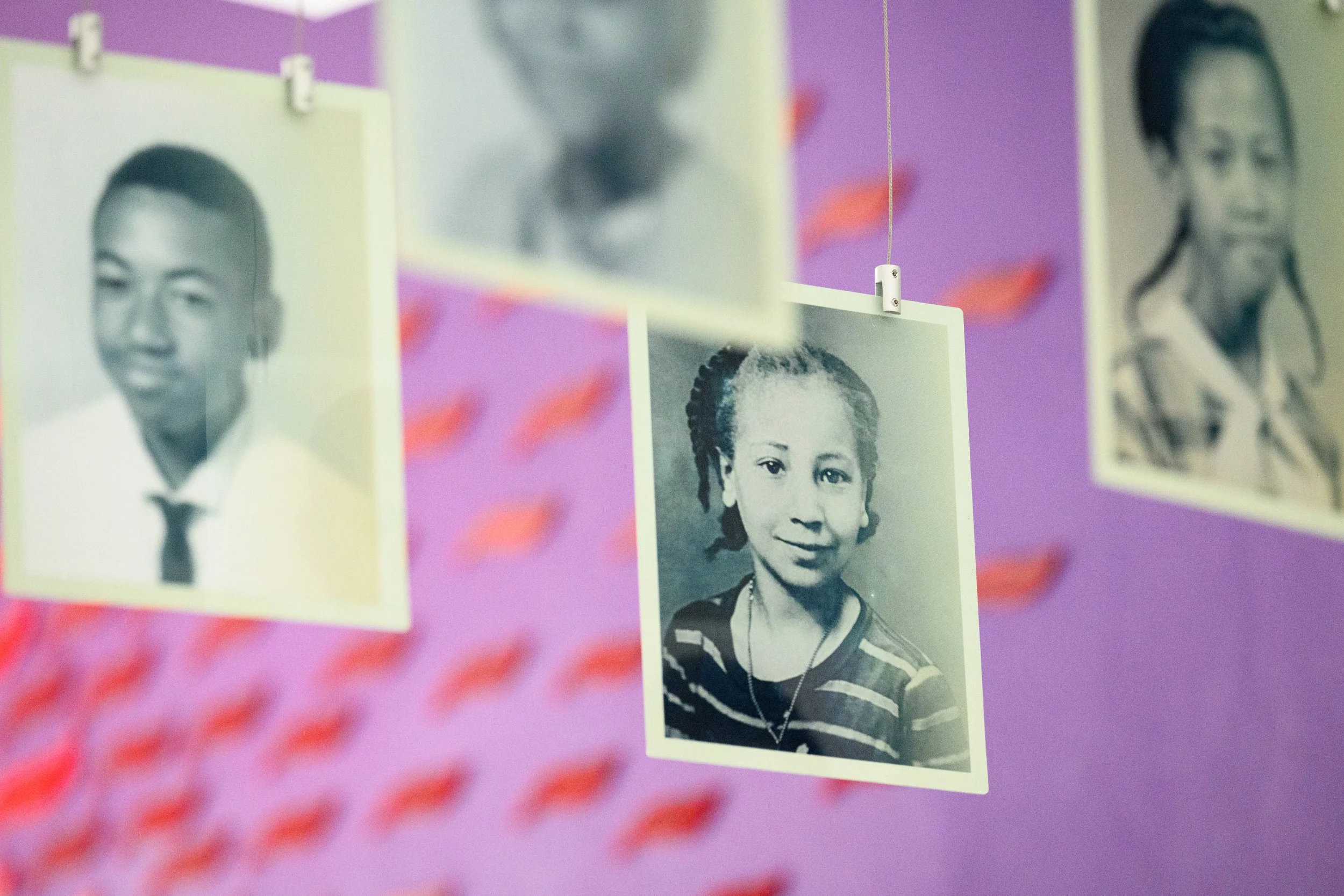
Inspired by the twenty-three Black parents and fifty-four children who challenged racial discrimination in the NAACP’s 1947 equalization case of Corbin v. County School Board of Pulaski County, Virginia, this project will directly engage with the lived experiences of Black parents and caregivers in Pulaski, Galax, Wytheville, and Christiansburg. Our objective is to chronicle the collective struggles of Black Appalachians who maintained community networks throughout the 20th and 21st centuries despite rampant inequality and discrimination. These stories of courage, resilience, sacrifice, and power have been shared generationally within Black communities yet have been marginalized and under-represented in public narratives of Appalachia. Our project aims to rectify this through formal oral history interviews, informal story-gathering events, community quiltmaking, online and touring exhibitions, and resources for Appalachian communities interested in conducting similar processes in the future.
Project Website
Abstract art image of dark green brush strokes

Upcoming Events

Abstract art image of dark green brush strokes

In the News

Project Collaborators

A middle-aged man with short gray hair and a serious expression, wearing a blue suit, white shirt, and green striped tie, standing in front of a brick wall.

Michael Hickman, Museum Committee Chair

Dr. Hickman is the president of the CCCC’s Board of Directors and chair of its museum/archives committee. He attended Calfee Training School and Christiansburg Institute. He retired after 42 years with Pulaski County Public Schools where he worked as a principal, high school history teacher, civic teacher and athletic coach.

Portrait of a man with long hair and beard wearing glasses and a striped button-up shirt, standing outdoors with autumn trees in the background.

Clay Adkins, Lead Researcher

As the CCCC’s Researcher, Clay will serve as the lead researcher for this project. He recently completed an MA in History with a Public History Certificate from Virginia Tech.

A woman with dark brown hair and blue eyes smiling while standing against a brick wall, wearing an orange sweater.

Jill Williams, Executive Director and 23/54 Project Lead

Williams returned to her hometown of Pulaski, VA after twenty years of work in oral history, transitional justice, philanthropy, and racial equity advocacy. From 2004-2006, she served as the executive director of the country’s first truth and reconciliation commission in Greensboro, NC, and has since consulted with truth and justice seeking processes in Maine, Detroit, North Carolina, Boston, and Mississippi.

A young woman with brown hair is standing against a brick wall, wearing a dark suit jacket with rolled-up sleeves and a white shirt, smiling with her arms crossed.

Jessica Taylor, Faculty Partner

Jessica Taylor is a public historian and assistant professor at Virginia Tech. She is affiliated with the Center for Oral History, the Diggs Teaching Scholar Association, and various research and teaching groups on campus. Growing up in the Piedmont nearby changed her appreciation of the Appalachian mountains, and a decade doing oral histories have shown her how the pitfalls and promises of tourism and resource extraction transform individuals' experiences in the region.

Smiling woman with long braided hair standing against a stone wall in a rustic setting.

Keiona Henderson, BSW: Project Coordinator

After working in the Hampton Roads area in a plethora of roles, including working along side of former Congresswomen Luria {VA-02} to advance legislative equity Keiona returned to the New River Valley to continue her work as a consultant working with marginalized communities in rural Appalachia. As a Blacksburg native, survivor and social justice advocate she has always felt passionately about building an equitable community for future generations.